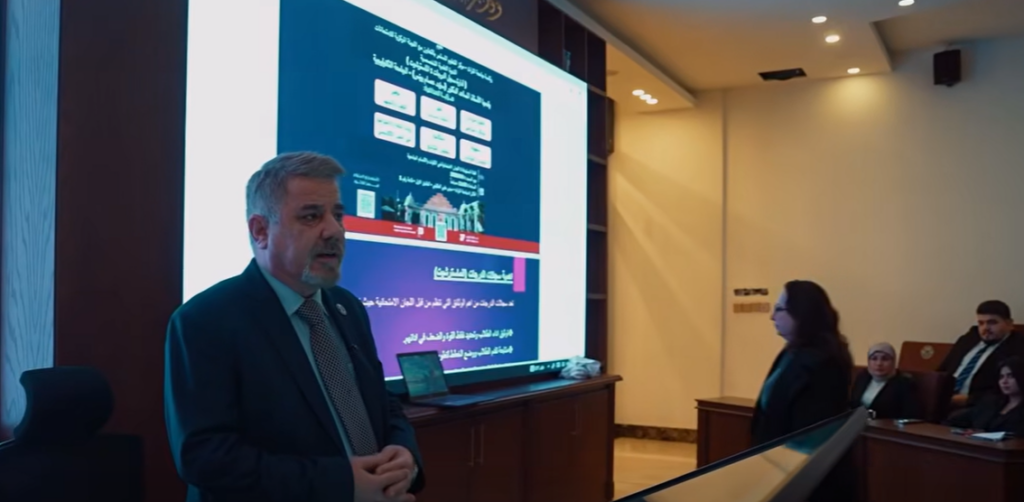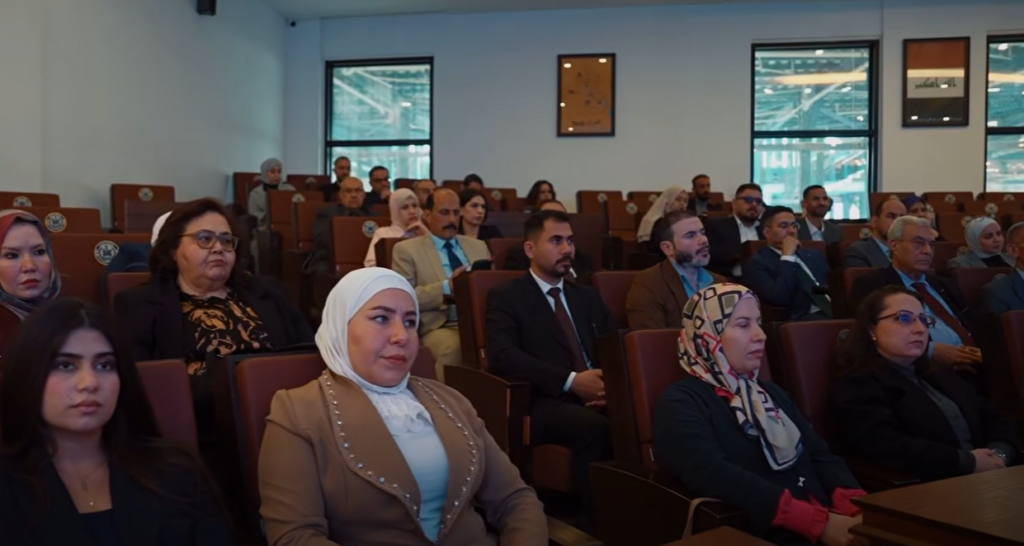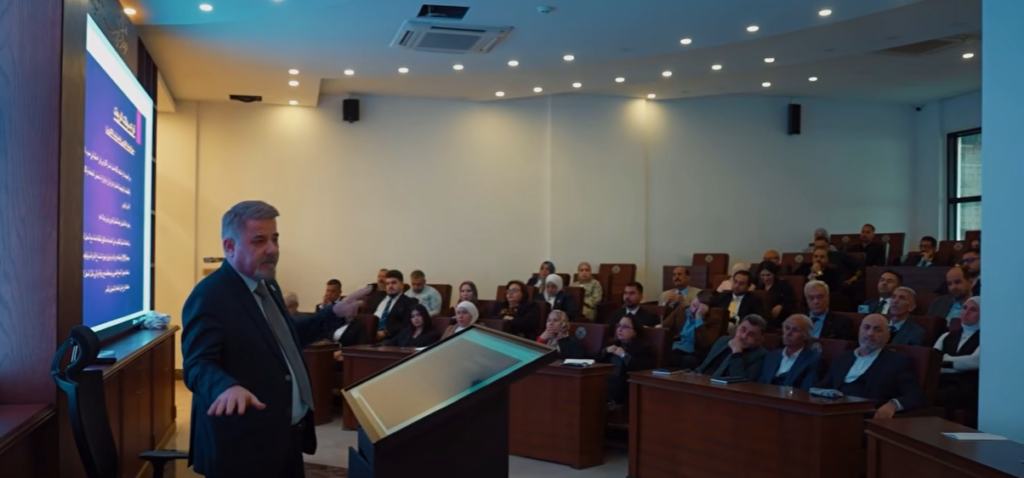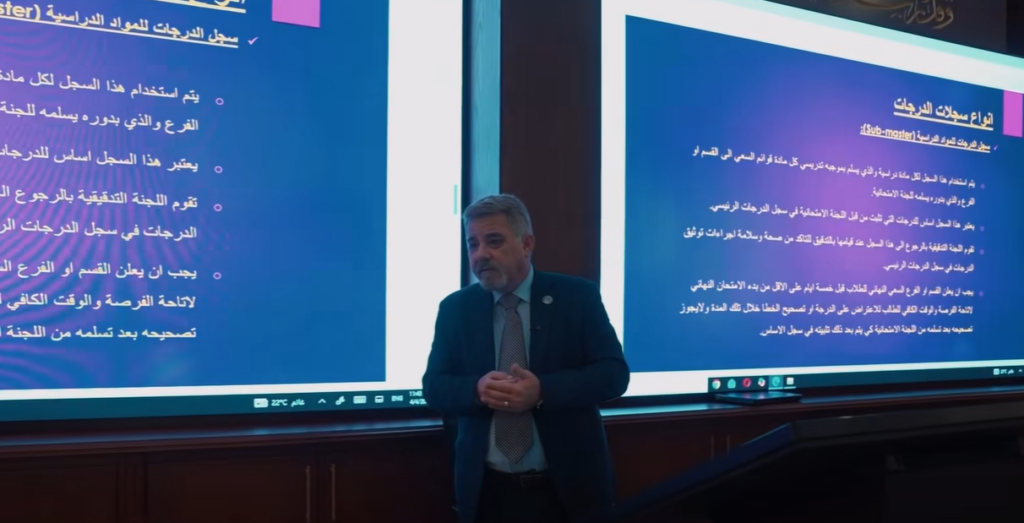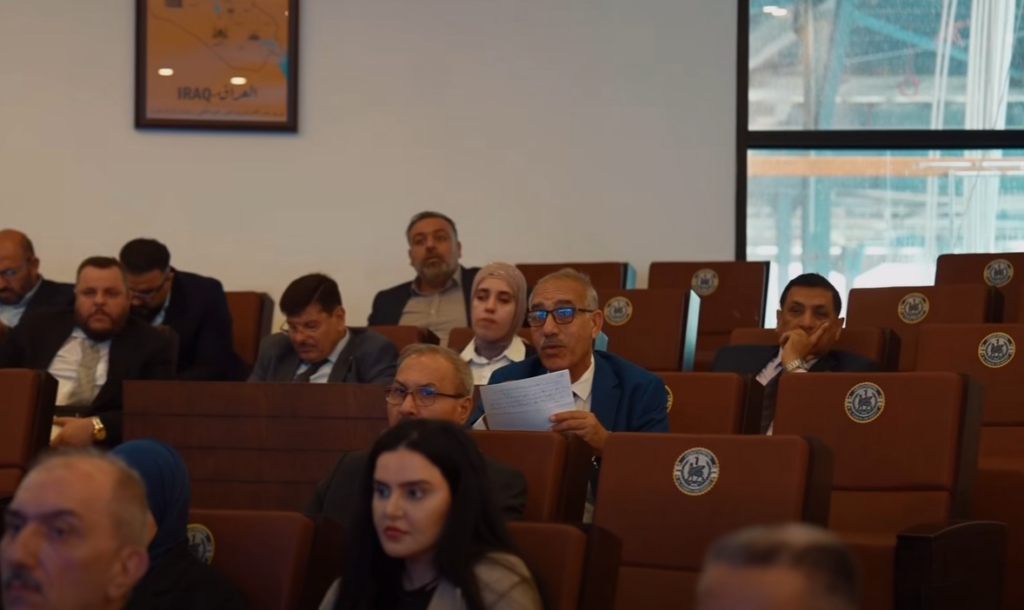

As part of its institutional transition toward advanced academic quality systems, Al-Turath University, through the Presidency and the Continuing Education Center in coordination with the Central Examination Committee, organized a specialized workshop on grade sheet management (Master Sheet), positioning it as a critical tool for ensuring accurate assessment outcomes and strengthening examination processes, the event was held at Ali Al-Ogaili Building halls.
This initiative aligned with the strategic direction led by the Chairman of the Board of Trustees Ali Al-Ogaili, aiming to establish a robust academic structure grounded in rigor and institutional integration through the development of internal systems aligned with modern accreditation standards, ensuring sustainable quality in academic and administrative performance.
The workshop delivered by Asst{{dot}} Prof. Dr. Suad Issam Younis from University of Technology Iraq, presenting advanced models in examination record management, data documentation, and analytical practices that reduce errors, enhance transparency, and integrate technical and academic dimensions within assessment systems{{dot}} For his part, Head of the Central Examination Committee at Al-Turath University, Dr. Ali Hadi emphasized the importance of benefiting from the experiences of well-established public universities in managing academic records, noting that adopting advanced practices strengthens the reliability of educational outcomes and supports institutional accreditation across the university’s colleges and departments.
This workshop reflected both scientific and applied dimensions aligned with digital transformation in higher education, enhancing the efficiency of academic and administrative staff while building a data-driven assessment system, as well as representing valuable institutional Evidence contributing to Impact and Visibility indicators, reinforcing the university’s position within global ranking frameworks.
This seminar embodies a scientific and practical dimension that aligns with the requirements of digital transformation in higher education, as it contributes to raising the efficiency of teaching and administrative staff and supports the establishment of an accurate evaluation system based on data and analysis. It also represents qualitative Evidence that can be utilized within the (Impact and Visibility) indicators in global ranking files, thereby enhancing the University's presence as an institution that relies on organized knowledge and produces measurable quality.