
Al-Turath University elevated its internationalization agenda to the level of strategic leadership as the Chairman of the Board of Trustees of Al-Turath University Mr. Ali Al-Ogaili received an official invitation from NAFSA to attend its annual conference to be held in Orlando Florida from May 26 to 29 bringing together more than 8000 academic and research leaders representing 30 countries.
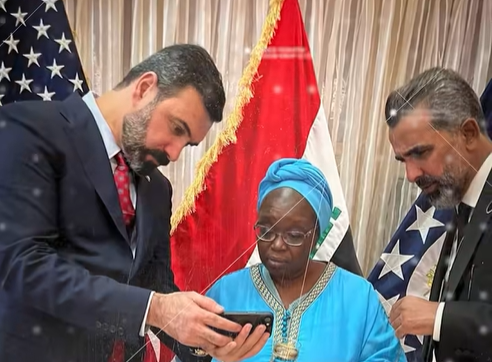
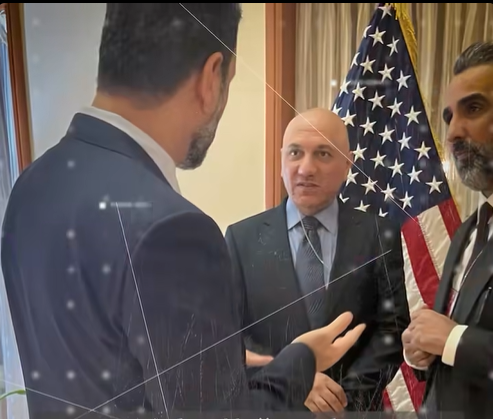
The University clarified that this invitation reflects the active international role of Mr. Ali Al-Ogaili in positioning Al-Turath University within global academic networks rather than limiting its presence to symbolic participation The invitation followed a prior meeting between Mr. Ali Al-Ogaili and NAFSA President Ms. Fanta held on the sidelines of an engagement facilitated by the United States Embassy in Baghdad during which discussions focused on integrating Iraqi universities into international education frameworks expanding scholarly exchange and establishing sustainable cooperation pathways.
Al-Turath University emphasized that the Chairman’s participation represents a practical institutional move toward strengthening global partnerships and advancing academic recognition opening channels for collaboration with universities and research centers worldwide and expanding opportunities for student mobility research engagement and structured cooperation programs{{dot}} The University affirmed that Mr. Ali Al-Ogaili’s presence at this major international platform underscores a leadership vision that treats international partnerships as measurable academic assets reinforcing institutional readiness enhancing quality standards and positioning Al-Turath University as an active contributor within the global higher education landscape.
Al-Turath University affirmed that Mr. Ali Al-Ukaili's presence at this international forum represents a practical step towards consolidating the University's position within the global academic landscape and enhances the institution's ability to build strategic relationships with international universities and research centers in a way that serves the quality of education and deepens its societal impact and grants Iraqi academic work a wider space for presence and influence.